Experienced Tire Solutions: Resume Driving Securely and Fast
Skilled tire repairs serve an essential function in safeguarding vehicle security and performance. Experienced technicians undertake complete inspections to discover assorted tire difficulties. From punctures to balance complications, each matter warrants careful focus. Knowing when to turn to professional support can prevent ensuing complications. As drivers confront these hurdles, they may consider the most suitable repair options and maintenance standards. Studying these areas can facilitate informed decisions and safer experiences down the road.
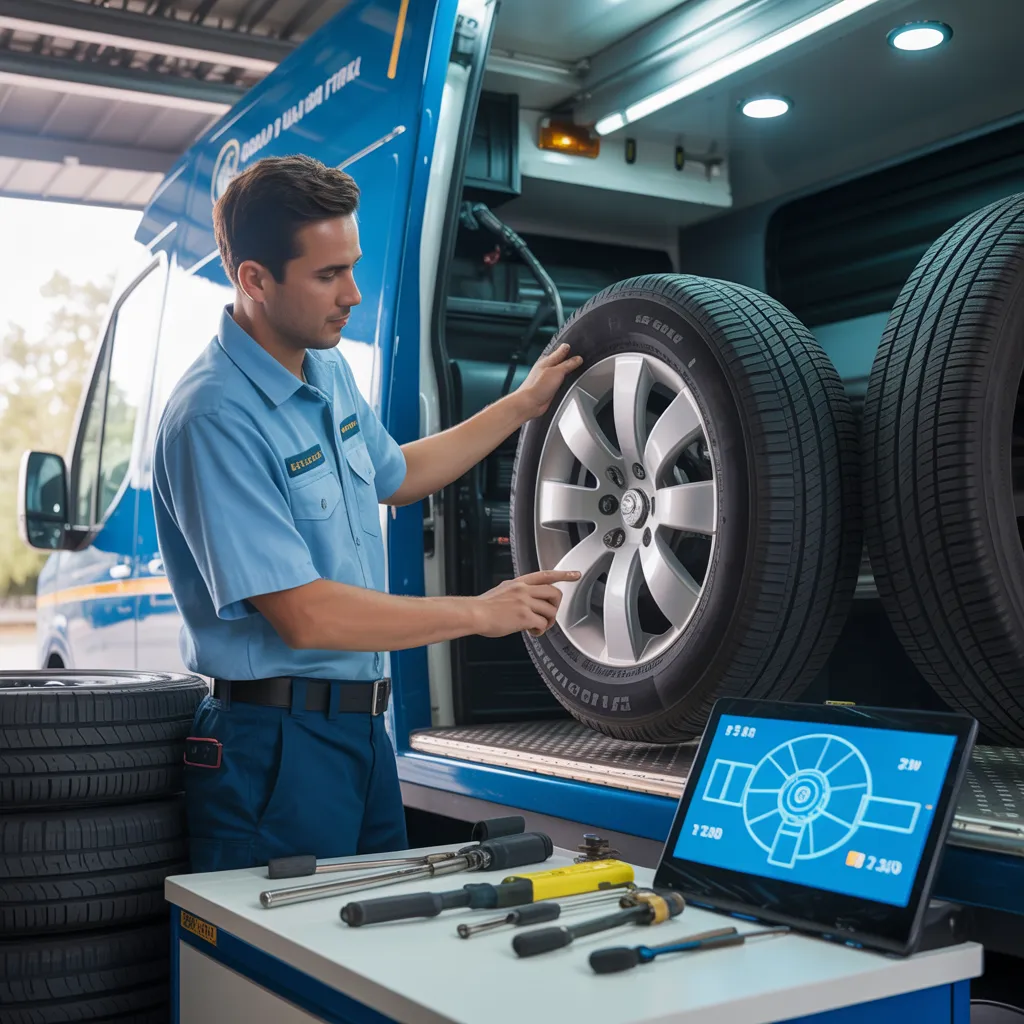
Regular Tire Concerns to Recognize
When drivers fail to check their tires, they may experience several typical problems that can affect safety and performance. One frequent occurrence key resource is underinflation, which can result in increased tire wear and reduced fuel efficiency. Over time, this can cause the tires to overheat, raising the risk of a blowout. Another common problem is tread wear, which impacts traction and handling, particularly in wet conditions. Uneven wear may indicate alignment or suspension issues, necessitating further inspection. Additionally, drivers may face punctures or sidewall damage from road hazards, causing slow leaks or complete tire failure. Regular tire rotations, inspections, and proper inflation are vital for preventing these issues. Finally, environmental conditions can also contribute to tire degradation, making it important for drivers to monitor their tire health. By understanding these common problems, drivers can boost their safety on the road.
When to Know About Getting Tire Maintenance: A Guide?
Recognizing the signs that tire maintenance are needed is essential for maintaining vehicle safety and performance. Drivers should be vigilant for particular indicators that suggest tire problems. Uneven deterioration patterns on the tread, for instance, may signal alignment problems or insufficient inflation. Additionally, apparent damage, such as cuts, bulges, or holes, often requires prompt care. A abrupt loss of air compression or regular need for air replenishment
Drivers should pay close attention to handling and performance changes, such as shaking or pulling to one side, which could indicate tire imbalances or internal damage. Finally, regularly checking the depth of the tire tread is crucial; tires with worn or bald spots weaken traction. By monitoring these signs, drivers can confirm timely repairs, enhancing both safety and vehicle longevity. Addressing these issues promptly not only thwarts potential accidents but also cuts more extensive repair costs down the line.
What to Anticipate During the Tire Repair Process
The tire fixing procedure typically includes several crucial steps to guarantee safety and effectiveness. Initially, a technician inspects the tire for obvious damage and evaluates its general condition. This inspection helps determine whether the tire can be repaired or needs replacement. Following the inspection, the technician may take off the tire from the wheel to locate punctures or internal damage.
Once any problems are discovered, the specialist sanitizes the damaged area and prepares it for restoration. This may include applying a patch or insert, based on the type and location of the damage. After the repair is finished, the tyre is remounted and properly filled to the manufacturer's specifications.
Finally, a quality check establishes that the service meets safety standards. Throughout the undertaking, experts prioritize communication, advising the individual of details and recommendations. This methodical approach promises a reliable repair, letting travelers to return to the road with trust.
DIY Tire Restoration Measured against Professional Intervention
After comprehending the tire fixing procedure, many motorists may think about whether to tackle repairs themselves or obtain professional assistance. DIY tire repairs can be appealing, especially for those with fundamental mechanical abilities and equipment. Simple holes can often be fixed using fix kits obtainable at auto retail stores, saving both time and money. However, this method carries risks if proper methods are not used, potentially leading in further damage or security hazards.
Conversely, expert tire repair providers present specialized knowledge and cutting-edge equipment. Skilled professionals can accurately evaluate tire issues, making sure repairs are dependable and safe. They can also recognize underlying problems that a do-it-yourself method might fail to notice. Finally, the decision regarding professional assistance versus DIY repairs copyrights on the driver's confidence, expertise, and the extent of the tire damage. Establishing a thoughtful choice is essential for keeping yourself safe on the road.
Guide to Picking the Right Tire Repair Service
How can drivers ensure they choose the best tire maintenance service? First, they should investigate local options, examining customer reviews and ratings. This information offers insight into the quality of service and reliability of various shops. Next, verifying for credentials and partnerships with recognized automotive organizations can demonstrate professionalism and expertise.
Moreover, motorists should inquire the repair options offered, confirming the facility can resolve their specific tire issues. Honest pricing is also necessary; reputable services furnish clear quotes without hidden charges.
Moreover, analyzing the shop's repair guarantees on repairs can give peace of mind. Finally, ease of access matters—distance from your residence or job, as well as business hours, can determine the decision. By reviewing these factors, drivers can assuredly pick a tire repair service that addresses their requirements effectively.
Benefits of Frequent Tire Maintenance
Regular tire maintenance offers many benefits that extend the life span and functionality of tires. By routinely checking tire air pressure, tread depth, and general state, vehicle owners can ensure ideal traction and handling. Proper inflation reduces wear, improving fuel efficiency and saving money at the pump. In addition, regular inspections can help detect problems such as irregular deterioration or harm, allowing for prompt fixes that prevent greater issues down the road.
Taking care of auto tires additionally strengthens safety by reducing the likelihood of tire blowouts or accidents caused by insufficient tread. Also, a well-kept set of tires delivers a smoother ride, enhancing comfort for both the driver and passengers. Spending time on regular tire maintenance allows individuals to maximize the value of their investment, guaranteeing reliable performance and peace of mind while driving. Ultimately, regular tire maintenance is an essential aspect of responsible vehicle ownership.
Strategies for Dodging Future Tire Problems
Caring for tires proactively can markedly lessen the likelihood of forthcoming troubles. Often assessing tire pressure is indispensable; low tire pressure can lead to premature wear and reduced fuel efficiency. It is advisable to inspect tires for observable wear, such as cuts or bulges, which may denote structural issues. Repositioning tires every 5,000 to 8,000 miles helps guarantee even wear, extending their lifespan.
Furthermore, keeping proper alignment and balance is essential to prevent uneven tread wear. Drivers should also monitor tread depth, utilizing the penny test as a straightforward method; if Lincoln's head is visible, it's time for a replacement. Finally, preventing vehicle overload can reduce excessive strain on tires. By using these strategies, vehicle owners can improve tire lifespan and encourage a safer driving experience.

Common Inquiries Posed
How much time will a typical tire repair last?
A everyday tire repair generally requires 30 minutes to an hour contingent on the severity of the damage and the type of repair needed. Factors like technician capability and shop volume can also shape the overall duration.
Can All Wheel Types Be Repaired?
Not every tire type is able to be repaired. Usually, punctures located in the tread area on passenger tires could be repairable, whereas sidewall deterioration, severe deterioration, or tires that have undergone multiple repairs often require purchasing new tires to guarantee safety.
What Amount Should You Expect to Pay for Tire Repairs?
The charge for tire repairs usually ranges from $10 to $30, influenced by the level of damage and geographic location. Important factors like tire category and your chosen provider can modify the ultimate price, creating variability.
Does Your Insurance Plan Protect Tire Damage Repair?
Tire repair coverage differs across insurance plan. Some plans include emergency roadside help or repair costs, while others may not. It's important for people to review their specific policy details to establish protection regarding tire fixes.
How Might I Extend the Life Span of My Tire?
To enhance a tire's service duration, planned care is essential. This features keeping pressures balanced correctly, switching tire positions often, ensuring proper alignment, preventing excess loading, and monitoring tread depth for signs of wear or damage.